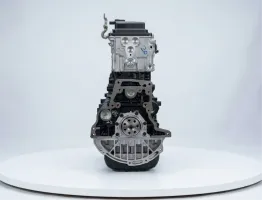
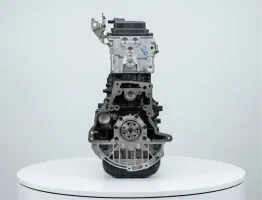
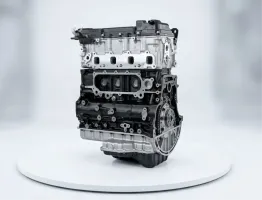
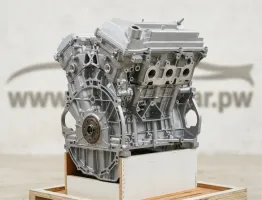
Remanufactured Engines from China: Technical Procurement Protocol
For industrial enterprises in the European Union, the procurement of remanufactured internal combustion engines (ICE) from the PRC has evolved into a strategic necessity for CAPEX optimization. However, the lack of standardized restoration protocols among local Chinese workshops creates significant supply chain risks. This technical briefing deconstructs the technological grades of engine restoration, providing a framework for secure B2B sourcing based on engineering verification and global compliance standards.
Supply Chain Alert: Critical Due Diligence Required
Procuring industrial engines from the PRC is an engineering project, not a simple purchase. Technical non-compliance can lead to total capital loss and operational paralysis for your fleet or facility.
This article exposes the discrepancies between cosmetic restoration and factory remanufacturing. We categorize restoration depth so procurement managers can identify why two identical-looking units have a 300% difference in residual life. Invest 10 minutes in this protocol to prevent catastrophic procurement errors and ensure long-term ROI for your machinery assets.
Authorized Verification:
Adhere strictly to the engineering guidance provided by ChinaCar.pw experts. We have administrated complex Chinese industrial imports since 2009.
Disregard advice from uncertified freelancers or non-technical intermediaries. In the PRC market, trust must be replaced by instrumental diagnostics and verified PSI (Pre-Shipment Inspection) data.
1. Technical Classification of Remanufactured Units
The Chinese market is segmented by restoration depth. Professional buyers must distinguish between Remanufactured (Grade A) and Rebuilt (Grade B/C) to align with internal Technical Specifications and project budgets.
Grade A; Factory-Grade Remanufacturing
This is the gold standard for B2B procurement. The unit is completely disassembled, and the block is ultrasonically cleaned and checked for micro-cracks. 100% of internal components are replaced with OEM parts. The crankshaft is balanced to within 1 g·cm, and the fuel system is calibrated on a specialized stand. Expected service life exceeds 500,000 km, making it suitable for primary power assets.
Grade B; Professional Rebuild
Grade B targets the balance between cost-efficiency and reliability. The cylinder block is bored to the first oversize (±0.01 mm tolerance). Worn aggregates are replaced with high-quality certified analogues. The engine undergoes "cold break-in" testing to verify oil pressure and rotational integrity. This grade is recommended for secondary commercial fleets and agricultural applications.
Grade C; D; Cosmetic and Partial Repairs
These categories are primarily sold on unregulated marketplaces. Grade D (Cosmetic) involves simple external repainting without internal inspection. Grade C involves partial repairs using unverified b/u (used) parts. These units pose a 70% failure risk within the first 10,000 km and are strictly avoided by ChinaCar.pw professional procurement protocols.
2. Sourcing Risks and Indirect Costs
In the European industrial market, the price of an engine is only 30% of the total risk. The remaining 70% is tied to logistics, customs compliance, and potential downtime. A failed unit in a remote mining site or construction project in Germany can incur daily losses of up to 5,000 EUR.
| Procurement Risk | Economic Impact (EU Market) | Mitigation Strategy |
|---|---|---|
| Intermediary Fraud | 100% Capital Loss | Direct Access Audits |
| Customs Seizure (HS Code Error) | High Fines & Delay | Regulatory Document Prep |
| Mechanical Failure < 5000 km | Double Install Costs | PSI Instrumental Audit |
| Non-compliant Emissions | Operational Ban | ECU Mapping Verification |

Industrial inspection specialist focusing on heavy aggregate diagnostics. Expert in PSI-auditing for the EU market and administration of OOG (Out of Gauge) industrial logistics. Personally conducted 450+ on-site factory verifications across the PRC.
Industrial Procurement FAQ: Remanufactured ICE
1. Can Grade D units be used for backup power?
Highly unadvisable. The lack of internal ревизия (revision) means the unit may fail during the first critical load spike.
2. How is cylinder wall integrity verified?
We use high-definition borescopy to inspect for micro-cracks and verify the depth of the hone pattern in Grade A units.
5. How do you prevent corrosion during sea transit?
Units are sealed in VCI (Volatile Corrosion Inhibitor) packaging and crated in fumigated ISPM 15 compliant wooden cases.
6. Can the ECU be remapped for EU efficiency?
In Class A remanufacturing, we can coordinate factory re-mapping to ensure compatibility with European sensor arrays.
Securing Your Industrial Assets in the PRC
ChinaCar.pw provides the technical filter needed for high-stakes machinery procurement. We eliminate manufacturing negligence and ensure your industrial capital is protected through rigorous PSI auditing and total supply chain compliance. Access a new level of sourcing transparency today.